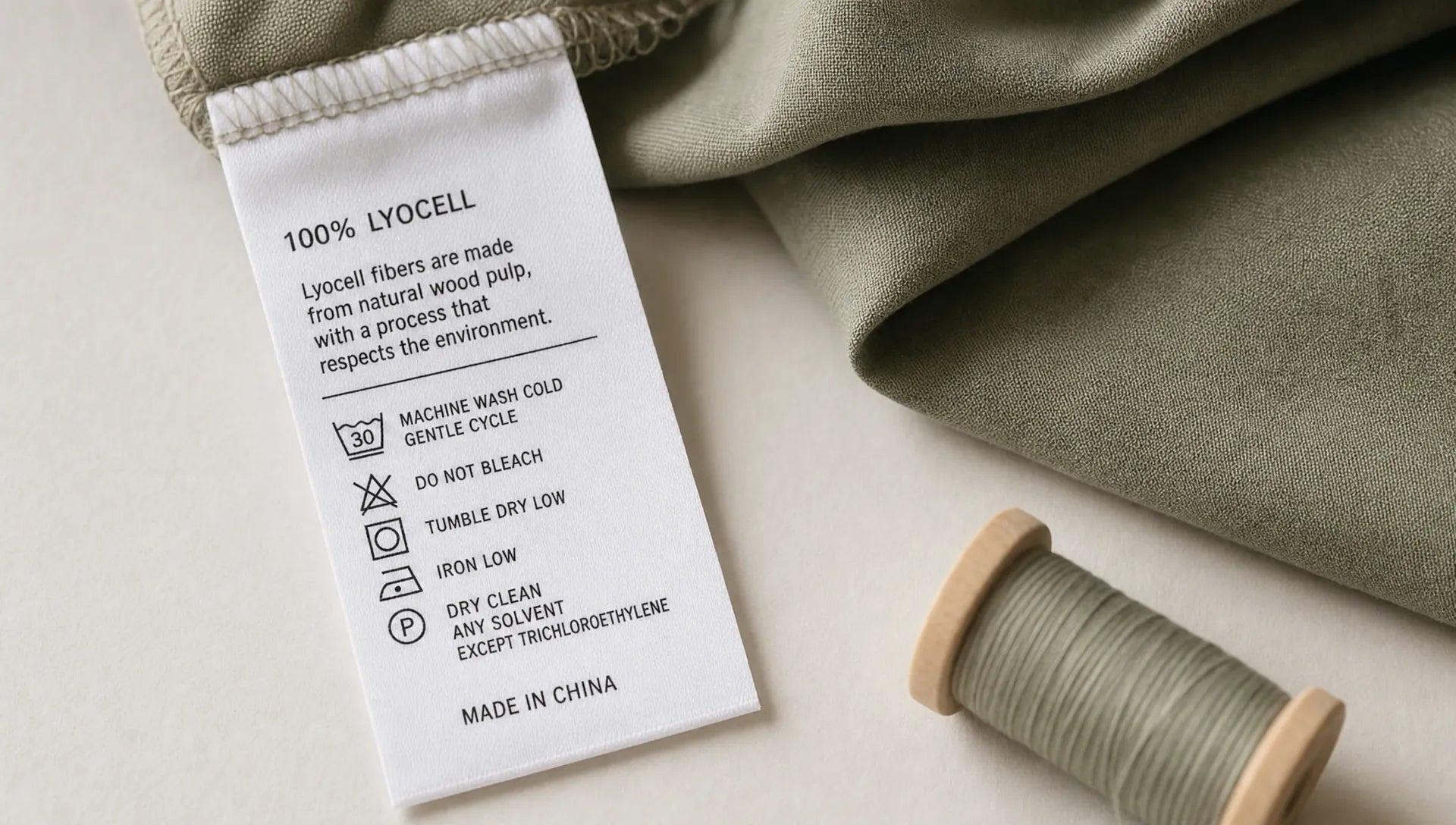
Lyocell has moved from niche fiber labels into everyday wardrobes, bedding, activewear, denim, and elevated basics. If you have noticed it on a care tag and wondered why so many brands talk about it, the short answer is simple: lyocell fabric is soft, breathable, versatile, and often positioned as a lower-impact alternative to some conventional materials.
Still, lyocell is not magic, and it is not automatically sustainable just because it comes from wood. Understanding what it is, how it is made, and what to look for on a product label can help you shop with more confidence.
What is lyocell fabric?
Lyocell is a regenerated cellulosic fiber, which means it starts with cellulose, usually from wood pulp, and is transformed into fiber through a manufacturing process. That fiber can then be spun into yarn and made into many kinds of fabric, from silky woven dresses to soft jersey T-shirts and smooth bed sheets.
In plain English, lyocell sits somewhere between natural and synthetic categories. It comes from plant-based cellulose, but it is not used in its raw plant form the way cotton or linen are. It is manufactured, dissolved, extruded, and regenerated into usable fibers.
You may also see lyocell connected to the name TENCEL™. The two are related, but not identical. TENCEL™ is a trademarked fiber brand from Lenzing, and it includes TENCEL™ Lyocell as well as other branded cellulosic fibers. So, TENCEL™ Lyocell is lyocell, but not every lyocell fabric is TENCEL™.
| Term | What it means |
|---|---|
| Lyocell | A generic regenerated cellulosic fiber made from dissolved cellulose, usually wood pulp |
| TENCEL™ Lyocell | A branded form of lyocell made by Lenzing |
| Viscose or rayon | Related regenerated cellulosic fibers, usually made through a different chemical process |
| Modal | Another regenerated cellulosic fiber, often known for softness and drape |
| Bamboo lyocell | Lyocell made with bamboo-derived cellulose, if the lyocell process is actually used |
How is lyocell made?
The details vary by manufacturer, but lyocell is typically made through a solvent-spinning process. The basic idea is to turn wood pulp into a liquid solution, push that solution through tiny holes to form fibers, then wash and finish the fibers so they can be spun into yarn.
A simplified version looks like this:
- Cellulose is sourced from wood pulp, often from trees such as eucalyptus, beech, spruce, or pine.
- The pulp is dissolved in a solvent to create a thick spinning solution.
- The solution is extruded through spinnerets, which form long fiber strands.
- The fibers are washed and recovered, with many lyocell systems designed to reuse a high percentage of the solvent.
- The fibers are spun into yarn, then woven or knitted into fabric.
One reason lyocell receives so much attention is that its production is commonly associated with a closed-loop solvent system, meaning the solvent is captured and reused rather than simply discarded. This is a key distinction from some older rayon and viscose processes, which can be more chemically intensive when poorly managed.
That said, shoppers should be cautious with broad claims. A fiber’s impact depends on more than the name on the tag. Forest sourcing, factory energy use, dyeing, finishing, transportation, garment construction, and end-of-life options all matter.
What does lyocell feel like?
Lyocell is popular largely because it feels good. It is often described as smooth, soft, cool to the touch, and fluid. In woven fabrics, it can have a silk-like drape without the delicacy or price of silk. In knits, it can feel soft and flexible, especially when blended with cotton, elastane, wool, or other fibers.
Its texture depends on how the yarn and fabric are made. A lyocell twill might feel substantial and denim-like. A lyocell satin may feel sleek and polished. A lyocell jersey can feel relaxed, soft, and slightly clingy. A sanded lyocell fabric may have a peachy, brushed surface.
Common lyocell qualities include:
- A smooth hand feel that works well for garments worn close to the skin
- Good breathability for warm-weather clothing and sleepwear
- Strong drape for dresses, blouses, skirts, and wide-leg pants
- Moisture absorption that can help fabric feel less clammy than some synthetics
- Versatility across casual, polished, and performance-inspired pieces
Lyocell is not perfect. Depending on the fabric construction, it can wrinkle, shrink if washed or dried incorrectly, or develop surface fuzzing over time. Some lyocell fabrics also show water marks more easily than cotton or polyester, especially in darker colors or very smooth finishes.
Why is lyocell fabric so popular?
Lyocell’s rise is not based on one benefit. It sits at the intersection of comfort, aesthetics, sustainability marketing, and practical wearability. That combination makes it appealing to both designers and shoppers.
It feels elevated without being fussy
Many people like lyocell because it can look refined while remaining comfortable. A lyocell blouse may drape more fluidly than cotton poplin. A lyocell blend tee may feel softer and cooler than a basic polyester blend. Lyocell trousers can have an easy, relaxed movement that fits modern wardrobes.
This makes it especially useful for people who want clothing that feels polished but not stiff. It works well in capsule wardrobes, travel outfits, office-casual dressing, and everyday pieces that need to move between settings.
It is breathable and moisture absorbent
Lyocell absorbs moisture better than many fully synthetic fibers. That does not automatically make it a performance fabric, but it can make garments feel more comfortable in warm or humid conditions. For sleepwear, bedding, underwear, and summer clothing, that cool, breathable feel is a major selling point.
Unlike polyester, which is hydrophobic and tends to hold onto odor more readily, lyocell is cellulose-based. Many shoppers find it more comfortable for daily wear, especially when they prefer natural-feeling fabrics but want something smoother or more drapey than cotton.
It fits the demand for lower-impact materials
Consumers are paying more attention to what clothing is made from. Lyocell has benefited from this shift because its best-known production methods use a closed-loop solvent process and wood-based cellulose.
However, the more accurate statement is that lyocell can be a lower-impact choice, not that it is always sustainable in every form. Responsible sourcing matters. Certifications and credible supply chain information matter. A poorly made garment in a trendy fiber is still a poorly made garment.
If you want to evaluate claims, look for meaningful signals such as wood pulp from responsibly managed forests, recognized chemical safety certifications, and transparent fiber naming. Organizations such as the Forest Stewardship Council and OEKO-TEX can help shoppers understand common certification frameworks, though certification details vary by product and supplier.

It blends well with other fibers
Lyocell is rarely limited to one type of product because it blends easily. When mixed with cotton, it can add softness and drape. When blended with linen, it can soften linen’s crisp texture. When paired with elastane, it can add stretch and recovery. When used in denim, it can make jeans feel lighter and more fluid.
Blends are not automatically better or worse than 100% lyocell. They simply change the fabric’s performance. A lyocell-cotton blend may be easier to care for than a delicate lyocell satin. A lyocell-elastane knit may feel great, but the elastane can affect recyclability and biodegradability.
It works across many categories
Part of lyocell’s popularity comes from its range. It is not locked into one aesthetic. You can find it in minimal basics, soft tailoring, dresses, jumpsuits, denim, bedding, loungewear, intimates, and sometimes active-inspired apparel.
That flexibility matters for brands because it lets them use one fiber story across multiple product categories. It matters for shoppers because it gives them more options if they like how lyocell feels.
Lyocell vs. cotton, viscose, modal, and polyester
No fabric is best for every situation. Lyocell is useful, but it should be compared based on comfort, care, durability, environmental considerations, and the specific garment you are buying.
| Fiber | Main source | Common strengths | Watch-outs |
|---|---|---|---|
| Lyocell | Regenerated cellulose, usually wood pulp | Soft, breathable, drapey, often made with closed-loop solvent systems | Can wrinkle, may shrink with heat, sustainability depends on sourcing and finishing |
| Cotton | Natural plant fiber | Familiar, breathable, washable, durable in many weaves | Conventional cotton can involve high water and chemical inputs, depending on farming practices |
| Viscose or rayon | Regenerated cellulose | Soft, fluid, often affordable | Some production methods can involve higher chemical and pollution concerns if not responsibly managed |
| Modal | Regenerated cellulose, commonly beech pulp | Very soft, smooth, good for underwear and loungewear | Impact depends on supplier, processing, and blend |
| Polyester | Petroleum-based synthetic fiber | Durable, wrinkle resistant, quick drying, often affordable | Fossil-based, can shed microfibers, less breathable than many cellulosic fibers |
Lyocell often wins when you want softness, breathability, and drape in the same garment. Cotton may be better when you want crispness, structure, or rugged wash-and-wear durability. Polyester may be more practical for certain performance or wrinkle-resistant uses. Viscose may offer a similar drape at a lower price, but lyocell is often preferred by shoppers looking for a more modern cellulosic option.
Is lyocell sustainable?
Lyocell has a strong sustainability reputation, but the honest answer is nuanced. The fiber can be part of a more responsible wardrobe, especially when the cellulose comes from responsibly managed forests and the manufacturer uses a closed-loop process with strong chemical recovery.
The sustainability conversation should include these questions:
- Where did the wood pulp come from?
- Is the fiber generic lyocell or a traceable branded lyocell?
- What dyes and finishes were used?
- Is the garment made to last, or is it a low-quality item using a better-sounding fiber name?
- Is it blended with synthetics that affect recycling or biodegradation?
- Does the brand provide specific information, or only vague eco-friendly language?
It is also important to know that textile labeling can be technical. In the United States, the Federal Trade Commission provides guidance on textile labeling, including how fiber names should be represented. This matters because terms like “bamboo,” “rayon,” “viscose,” and “lyocell” are sometimes used imprecisely in marketing.
Pure lyocell is cellulose-based, so it has different end-of-life characteristics than polyester. But a finished garment is more than its main fiber. Dyes, coatings, trims, elastic, sewing thread, and blends can all affect how it behaves after disposal. The most sustainable garment is usually one you choose well, care for properly, and wear for a long time.
How to care for lyocell fabric
Lyocell is generally not difficult to care for, but it does reward gentleness. Always check the care label first because fabric construction and finishing can change the rules. A structured lyocell blazer, for example, may require different care than a lyocell knit tee.
For many washable lyocell garments, these habits help preserve softness and shape:
- Wash in cold water on a gentle cycle
- Use mild detergent and avoid harsh bleach
- Turn garments inside out to reduce abrasion
- Avoid overloading the washer, which can cause twisting and creasing
- Air dry when possible, or tumble dry low if the label allows it
- Use a steamer or low-heat iron if wrinkles appear
High heat is the main thing to avoid. It can encourage shrinkage, weaken finishes, or create stubborn wrinkles. If a garment feels stiff after air drying, a short low-heat tumble or gentle steam can often restore softness.
For stains, pre-treat carefully rather than scrubbing aggressively. Smooth lyocell fabrics can show abrasion, so a gentle touch is better than a hard brush.
What to look for when shopping for lyocell
The best way to shop for lyocell is to look beyond the single word on the tag. Fiber content matters, but so do weight, construction, finishing, and care requirements.
Start with the fiber label. Is it 100% lyocell, or is it a blend? A blend may be ideal if you want stretch, structure, or easier care. Then feel the fabric. Does it seem too thin for the intended use? Does it recover after being stretched? Does it wrinkle immediately when squeezed? These clues can tell you more than a sustainability claim alone.
Next, consider the product category. Lyocell can be excellent for shirts, dresses, relaxed pants, sleepwear, and bedding. For heavy-duty outerwear or highly structured tailoring, it may need to be blended or supported by garment construction.
Finally, pay attention to transparency. A brand does not need to overwhelm you with technical details, but it should be clear about fiber content and care. If a product is marketed as eco-friendly, look for specifics rather than vague language.
As Cavalcade prepares to open its online store, shoppers can join the email list for launch updates and future product news. It is a simple way to stay informed while you continue learning what materials, fits, and fabric details matter most to you.
Frequently Asked Questions
Is lyocell the same as TENCEL™? Not exactly. Lyocell is the generic fiber type. TENCEL™ is a trademarked brand name from Lenzing that includes TENCEL™ Lyocell and other branded cellulosic fibers. All TENCEL™ Lyocell is lyocell, but not all lyocell is TENCEL™.
Is lyocell good for hot weather? Yes, lyocell is often a good choice for warm weather because it is breathable, smooth, and moisture absorbent. The exact comfort level depends on the fabric weight, weave, fit, and blend.
Does lyocell shrink? It can shrink if exposed to high heat or washed against the care instructions. Cold washing, gentle cycles, and air drying usually help preserve fit and shape.
Is lyocell better than cotton? It depends on what you need. Lyocell is usually smoother and more drapey, while cotton can be crisper, more structured, and very durable. Both can be good choices when made and cared for well.
Does lyocell wrinkle easily? Some lyocell fabrics wrinkle, especially lightweight wovens. Knits and blends may wrinkle less. Steaming or low-heat ironing often works well, but always check the care label first.
Is lyocell fabric eco-friendly? Lyocell can be a lower-impact fiber when responsibly sourced and produced with strong solvent recovery, but not every lyocell garment is automatically sustainable. Look at sourcing, certifications, garment quality, blends, and care instructions.
Stay in the loop
Lyocell’s popularity makes sense: it is soft, breathable, versatile, and aligned with the growing demand for more thoughtful materials. The smartest approach is to treat it as a strong option, not a shortcut. Check the label, understand the blend, care for it gently, and choose pieces you will wear often.
If you want updates as Cavalcade gets ready to launch, visit the opening soon page and sign up to be notified when the store opens.