What Is Merino Wool? A Complete Guide to This Superfine Fiber
If you've ever wondered why a single fiber keeps showing up in everything from hiking socks to office polos, this guide breaks down exactly what merino wool is, where it comes from, and why it performs the way it does.
What is merino wool? (Fast answer for skimmers)
Merino wool is a natural performance fiber harvested from Merino sheep, a breed known for producing exceptionally fine, soft wool. Unlike standard sheep wool, merino wool fibers are typically less than 22 microns thick, which is why the material feels comfortable directly against the skin instead of scratchy and stiff. Merino wool is also lightweight compared to standard wool products, making it easy to layer without bulk.
Here are the core benefits of merino wool at a glance:
Moisture wicking - pulls sweat away from skin and disperses it into the air
Temperature regulating - keeps you warm in cold weather and cool on warm afternoons
Super soft - fine enough to wear next to skin without itch
Naturally odor-resistant - wicks moisture away and slows bacterial growth
UV protective - offers a natural UPF rating between 20 and 50 depending on fabric weight
Versatile - used in everything from hiking socks and base layers to everyday T-shirts and officewear
Today, merino wool fabric appears across outdoor activities, travel clothing, and fashion because it balances comfort and technical performance in ways most synthetics can't match.
Where merino wool comes from: the merino sheep story
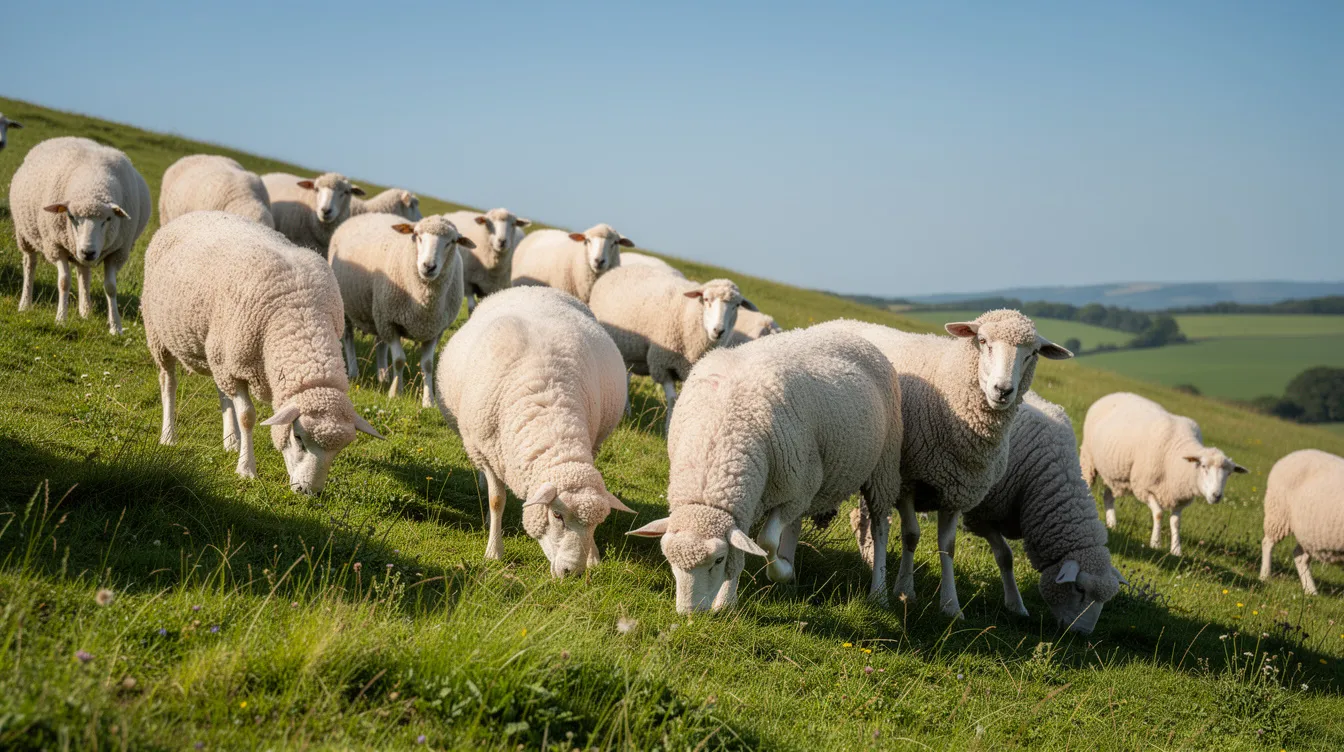
Merino sheep originated in Spain during the 12th century, likely through selective breeding of North African flocks introduced by the Moors. Over the next few centuries, Spanish breeders in regions like Extremadura refined the breed for its fleece rather than its meat, producing some of the finest wool the world had ever seen. By the 15th century, merino wool was crucial to Spain's economy, and the wool trade made Spain wealthy enough to guard its flocks aggressively. Exporting Merino sheep from Spain was illegal until 1786, giving the country a virtual monopoly on fine wool for hundreds of years.
Once that export ban lifted, Merino genetics spread quickly. During the Napoleonic wars and the decades that followed, flocks reached South Africa, the British Isles, and eventually Australia and New Zealand. By 1810, Australia had over 30,000 Merino sheep. New Zealand received its first Merino stock in 1814, and breeders in both countries began developing distinct strains suited to local climates.
Today the global merino landscape looks like this:
Australia dominates production. The country has approximately 53 million Merino sheep and produces nearly 350 million kilograms of wool annually, making Australian wool the benchmark for fine and superfine merino.
New Zealand and South Africa are the next-largest producers, with flocks selectively bred for ultrafine fiber and environmental hardiness.
Smaller Merino populations exist in Argentina, Uruguay, Spain, and the United States, where the American Wool Council supports domestic wool produced from various breeds including Merino.
Different Merino strains-Australian Merino, New Zealand Poll Merino, Rambouillet-have each been shaped by selective breeding to optimize fiber fineness, yield, and climate resilience.
What makes merino wool different from "regular" wool?
When people say "regular wool," they usually mean fiber from sheep breeds not selected for fineness. These other wools tend to have higher micron counts (often above 25 microns), a coarser hand feel, and less drape. English wool and wool from long-wool breeds can be durable, but it's rarely comfortable against bare skin.
Merino changes that equation. Merino wool fibers measure between 15 to 24 microns wide-far thinner than human hair, which typically runs 60–80 microns in diameter. That fineness is what makes merino a soft wool that bends against the skin instead of poking it.
Here's how merino stacks up against standard wool and lambswool:
Fiber diameter: Merino sits at roughly 15–24 microns; regular wool often exceeds 25–30 microns. Lambswool (a lamb's first shearing) is softer than adult wool but can still be coarser than superfine merino.
Feel on skin: Merino is smooth, pliable, and non-itchy. Regular wool can feel stiff and scratchy. Lambswool falls somewhere in between.
Typical uses: Merino goes into base layers, socks, and performance wear. Regular wool is more common in carpets, heavy outerwear, and coarse knit sweaters.
Price: Merino commands a premium that scales with fineness. Regular wool is significantly cheaper per kilogram but delivers far less comfort and performance.
The takeaway: the merino vs. wool distinction is really about fineness, comfort, and performance-both are natural, renewable fibers.
Key properties and benefits of merino wool
Merino wool is a high-performance natural fiber that rivals or outperforms many synthetics in day-to-day wear. Its keratin protein structure, combined with a crimped physical geometry, delivers a surprisingly technical set of properties from a material that grows on a sheep.
Moisture wicking: Merino can absorb up to 20% of its weight in moisture vapor while still feeling dry to the touch. The fiber absorbs moisture vapor and releases it into the air, keeping skin comfortable during exertion. Cotton, by comparison, holds water against the skin and feels clammy.
Temperature regulation: The natural crimp in merino fiber traps tiny air pockets that act as insulation in cold weather. In hot weather, those same merino fibers help transport moisture outward, supporting evaporative cooling. This is why merino wool garments can regulate temperature in all seasons-on chilly mornings and warm afternoons alike.
Softness: Superfine merino (15–18.5 microns) bends easily against the skin instead of triggering the prickliness threshold that sits around 22 microns for most people. The result is a material that feels closer to cashmere or fine cotton than to your grandfather's scratchy sweater.
Elasticity and stretch: Merino wool fabric can stretch up to 20–30% in many knits and then bounce back. Merino wool maintains elasticity and resists wrinkles, so garments hold their shape even when damp-handy during outdoor activities or travel.
Odor resistance: Natural antibacterial properties in merino wool prevent odor buildup. The keratin protein and scaly cuticle slow bacterial growth on the fiber surface, meaning you can wear a merino base layer for multiple days on the trail before it needs a wash. Merino wool is naturally odor-resistant.
UV protection: Even untreated merino wool has a natural UPF rating between 20 and 50, depending on fabric weight and density. That's considerably higher than a typical cotton tee.
Extras: Merino is inherently flame retardant (it chars rather than melts), naturally water repellent at the fiber surface, and produces less static than nylon or polyester.
Merino wool fiber and micron count explained
Micron count is the diameter of an individual wool fiber measured in micrometers. It's the single most important number when evaluating how a merino garment will feel and perform: the lower the micron count, the finer and softer the fiber; the higher, the more robust but potentially scratchier.
Here are the standard categories, with approximate ranges:
Ultrafine merino: 11.5–15 microns. Extremely rare, luxuriously soft, and fragile. Fetches the highest premiums at auction.
Superfine merino: 15–18.5 microns. The sweet spot for premium next-to-skin garments like base layers and fine socks. Worth noting: 17.5 micron superfine merino wool is less than 9% of Australian production, so it carries a significant price premium.
Fine merino: 18.6–19.5 microns. Common in everyday merino clothing-comfortable, reasonably durable, and more affordable.
Medium merino: 19.6–22.9 microns. Used for sweaters, midlayers, and outerwear where a bit more robustness matters.
Broad merino: 23–24.5 microns. Less common in fine apparel; more typical in heavy knits, blankets, and insulation.
To put these numbers in perspective, human hair averages 60–80 microns-so even broad merino is roughly a third the thickness of a strand of hair.
When shopping, look for labels that state "superfine merino" or list a specific micron number. For base layers and socks worn directly on skin, aim for fiber under 19 microns. Midlayers and outer layers can tolerate the medium range, where durability matters more than next-to-skin softness.
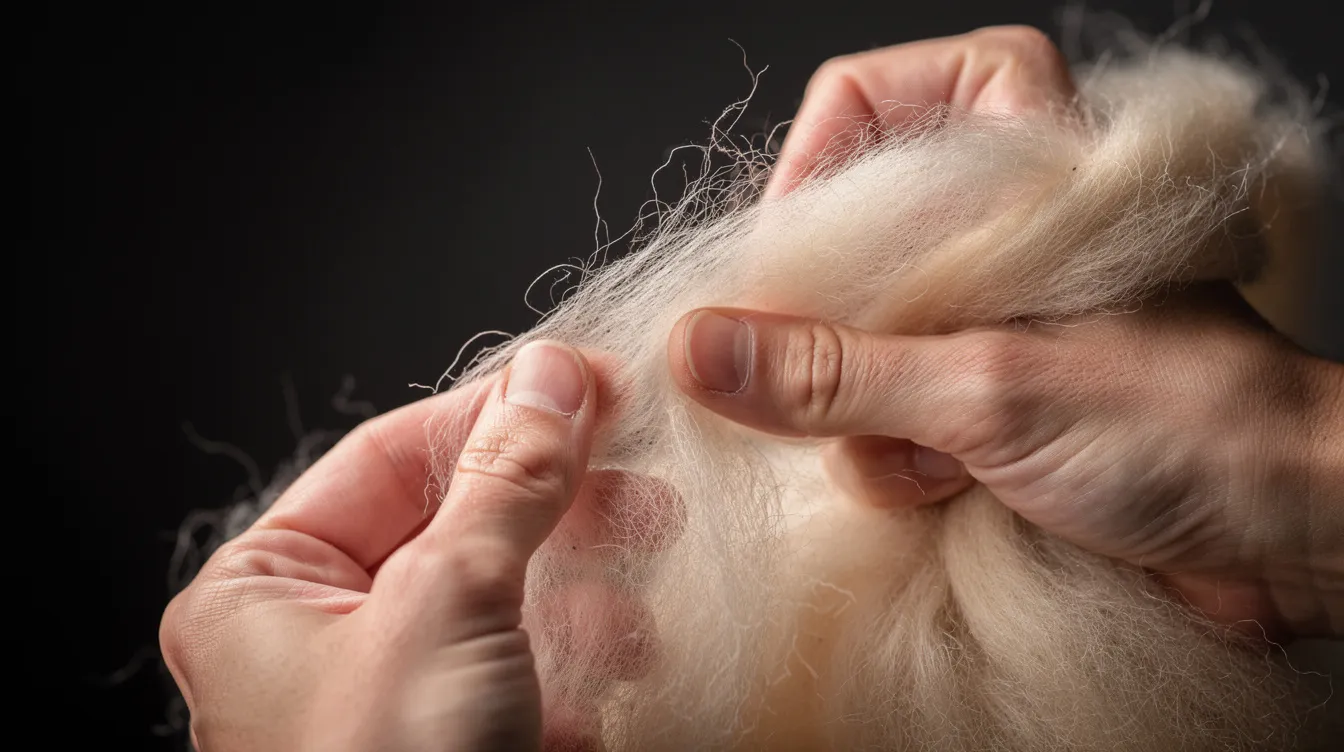
How merino wool fabric is made: from sheep to shirt
The journey from a sheep's back to a finished garment involves several steps, each influencing quality and performance.
Shearing. Merino sheep are typically shorn once a year, yielding roughly 5–8 kilograms of fleece per animal depending on the breed and climate. Shearing is essential for the animals' health-without it, the fleece overgrows and causes overheating and parasite issues.
Skirting, sorting, and grading. After shearing, handlers remove dirty edges and low-quality sections. The remaining fleece is graded by fiber diameter, natural length, and contamination level. Finer grades get routed toward apparel; coarser clips head toward carpets or insulation.
Scouring and carding. Raw fleece-called greasy wool because it's loaded with lanolin, dirt, and sweat-is washed in hot water with detergent. Scouring must be gentle enough to preserve delicate merino fibers. After drying, carding machines align the clean fiber into a continuous sliver, preparing it for spinning.
Spinning. Clean, carded fiber is drawn out and twisted into merino wool yarn. Worsted-spun yarn produces smoother, tighter fabric; woollen-spun yarn creates loftier, airier textures. You can spin merino wool into a wide range of yarn weights depending on the end product.
Knitting and weaving. Most merino base layers and socks are knit (jersey, rib, or interlock structures), which gives the fabric stretch and drape. Suiting and structured midlayers are often woven in plain weave, twill, or flannel constructions. Fabric structure directly affects warmth, breathability, and long lasting durability.
Dyeing and finishing. Merino's protein structure accepts dye readily. Wool can be dyed at the fiber stage, the yarn stage, or after the fabric is woven or knit. Finishing steps may include superwash treatments for machine washability or anti-pilling processes. Because merino wool is already naturally flame resistant and moisture managing, heavy chemical finishes are often unnecessary.
Common uses of merino wool in clothing and gear
Merino wool fabric has moved well beyond the backcountry. Its combination of breathable comfort, odor resistance, and temperature regulation makes it a staple across multiple categories.
Base layers and underwear. Lightweight merino T-shirts, long underwear, and camisoles are ideal for hiking, skiing, and running. Merino wool is ideal for base layers and socks because it manages moisture, controls odor on multi-day trips, and sits comfortably against skin. Merino wool garments are suitable for next-to-skin wear due to their softness.
Socks. Merino wool socks are among the most popular wool products on the market. Blended with nylon and elastane for durability and stretch, they offer thermoregulation, blister prevention, and odor control whether you're breaking in hiking boots or walking through an airport.
Midlayers and outerwear. Merino sweaters, hoodies, and fleece-like knits provide breathable insulation for alpine sports and winter commutes. Merino wool is used in outdoor apparel for activities like hiking, climbing, and skiing.
Lifestyle and officewear. Merino wool is commonly used for lightweight sweaters and blazers, as well as travel shirts, polos, and dresses that resist wrinkles and can be worn repeatedly between washes. The natural drape of the material makes it equally at home in an office as on a plane.
Non-apparel. Blankets, throws, bedding layers, hats, gloves, and scarves all benefit from merino's softness and warmth.

How merino wool feels and fits: softness, comfort, and skin sensitivity
One of the most persistent myths about wool is that it's all itchy. High-quality merino wool eliminates the prickle or itch associated with traditional wool because its fine fibers bend against the skin rather than jabbing into it. If you've avoided wool for years based on a childhood experience with a scratchy sweater, merino is worth reconsidering.
Fabric weight also plays a role in how merino feels:
Lightweight merino (roughly 150–170 g/m²) works well for hot weather shirts and liners. It's thin, breathable, and barely noticeable on the body.
Midweight merino (around 200–260 g/m²) is the go-to for cool-weather base layers and everyday tops. It balances warmth with mobility.
Heavier knits (above roughly 260 g/m²) are built for winter sweaters and hoodies where insulation is the priority.
If you have sensitive skin, look for garments labeled superfine merino or check whether the brand lists a specific micron number under 19. Merino blends (merino plus silk or merino plus a small percentage of synthetic) can also reduce any residual sensitivity while adding durability.
Fit-wise, merino's natural elasticity and drape mean garments follow the body's contours without bagging at elbows, knees, or cuffs. It's a durable, shape-holding material that moves with you rather than against you.
Is merino wool sustainable and ethical?
Merino wool is a renewable, biodegradable natural fiber. When produced responsibly, it offers clear advantages over petroleum-based synthetics.
Environmental positives:
Sheep regrow their fleece annually, making merino a renewable resource.
Merino wool is biodegradable and decomposes in 3–4 months in soil, unlike synthetic fibers that shed microplastics for decades. It does not contribute to plastic pollution.
Merino wool production does not use artificial pesticides or fertilizers on the fiber itself-the sheep simply grow it.
Environmental concerns:
Improper grazing by Merino sheep can cause soil erosion and land degradation if flocks aren't managed with rotational grazing practices.
Scouring and dyeing require water and energy, though modern processing plants have significantly improved efficiency.
Animal welfare:
Mulesing-a surgical procedure historically used in parts of Australia to prevent flystrike-remains controversial. Consumer pressure has driven a growing shift toward non-mulesed flocks, pain-relief protocols, and outright bans in countries like New Zealand.
Key certifications to look for:
The Responsible Wool Standard (RWS) sets requirements for animal welfare, land management, and traceability-and explicitly prohibits mulesing.
ZQ Merino certification covers animal welfare, environmental stewardship, and fiber quality.
Woolmark and various organic certifications offer additional layers of assurance.
When sustainability and ethics matter to you, choose merino products with transparent sourcing and credible certifications.
How to care for merino wool clothing
Modern merino wool garments are easier to care for than most people expect. Many everyday pieces are machine-washable when handled correctly.
Washing:
Turn garments inside out and wash on a gentle or wool cycle with cool or warm water.
Use a mild detergent-avoid standard fabric softeners and bleach, which break down wool fiber structure over time.
Drying and storage:
Air dry flat, away from direct heat or sunlight, to maintain shape and prevent shrinkage. Never tumble-dry merino on high heat.
Store clean, dry merino pieces folded rather than hung (especially heavy knits, which can stretch on hangers). Cedar blocks or lavender sachets help keep moths away.
Washing frequency:
Thanks to merino's odor-resistant, moisture-managing nature, base layers and midlayers often need far fewer washes than cotton or synthetics. Airing a garment overnight is often enough to refresh it between wears.
Longevity tips:
Use a fabric shaver or sweater comb to gently remove pilling on high-friction areas like underarms and sides.
Always check each product's care label-some superfine or blended merino items may have specific instructions.
Is merino wool worth it? Choosing the right merino for you
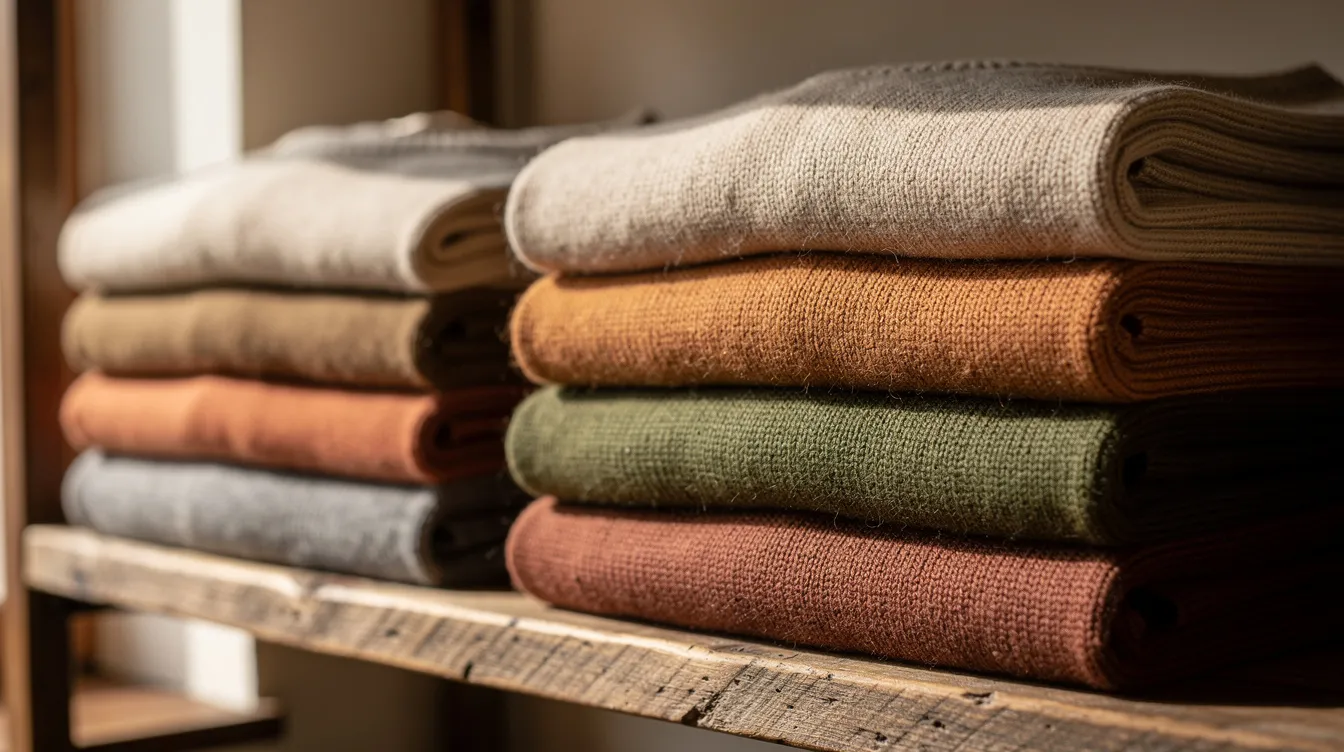
Merino wool garments often cost more upfront than standard cotton or synthetic alternatives. The question is whether that premium pays off over time-and for most active or quality-conscious buyers, it does.
Think about your use case:
High-output outdoor activities like running, hiking, and skiing are where moisture wicking, thermoregulation, and odor resistance deliver the most obvious value.
Everyday office or travel wear benefits from wrinkle resistance, reduced washing frequency, and the ability to pack fewer garments without sacrificing freshness.
Value over time:
Well-made merino items can last for many seasons with proper care. When you factor in cost per wear, a $80 merino base layer worn 200 times costs less per use than a $20 synthetic shirt that pills and stinks after 30 wears.
Buying tips:
Match micron count and fabric weight to your intended use. Superfine merino (under 18.5 microns) is best for next-to-skin pieces; medium or broad merino works for outer layers where durability matters more.
Decide whether you prefer pure merino wool fabric or merino blends with nylon, elastane, or silk for extra stretch, durability, or drape.
Look for certifications like the Responsible Wool Standard or ZQ if sourcing ethics are a priority.
Merino wool is a versatile, natural fiber that can replace several synthetic garments in a wardrobe. Whether you're lacing up hiking boots for a weekend on the trail or packing a carry-on for a work trip, a few well-chosen merino pieces will pull more weight than almost anything else in your closet.